Featured 17 March 2025

The Hidden Chemistry of Combustion: How Carbon Transforms Under Extreme Heat

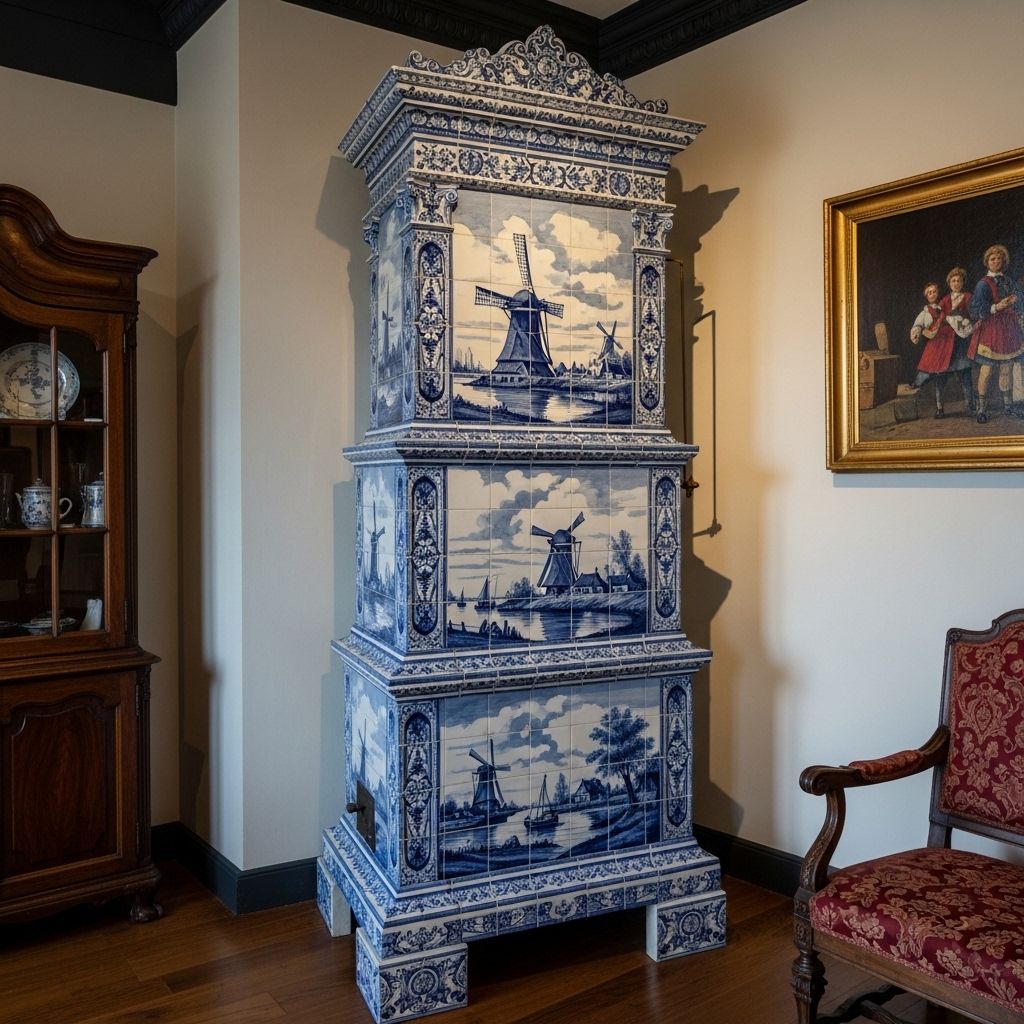
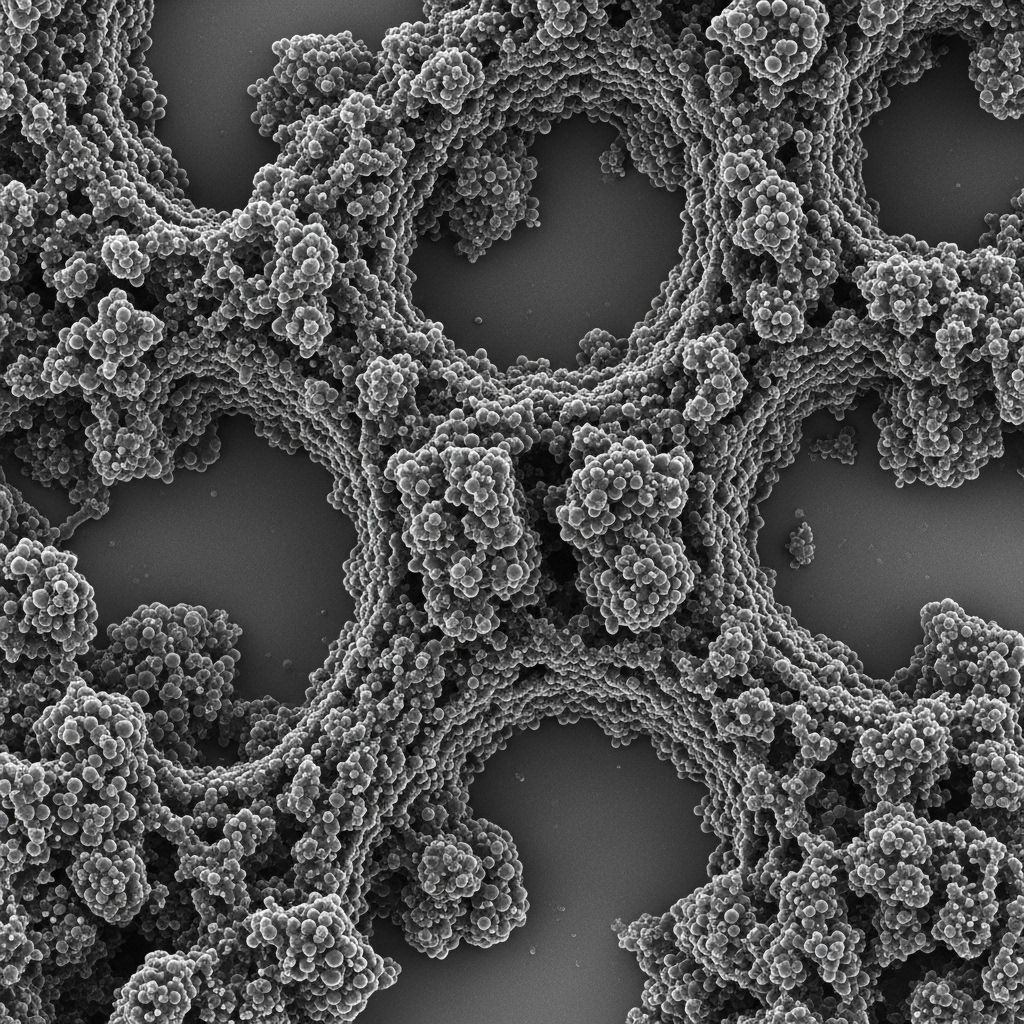
When hydrocarbons burn incompletely, they leave behind a complex molecular legacy. From nano-scale soot spherules to centuries-old tile stove deposits, the chemistry of carbon residues tells a story that bridges physics, history, and industrial engineering.

Read the Analysis →
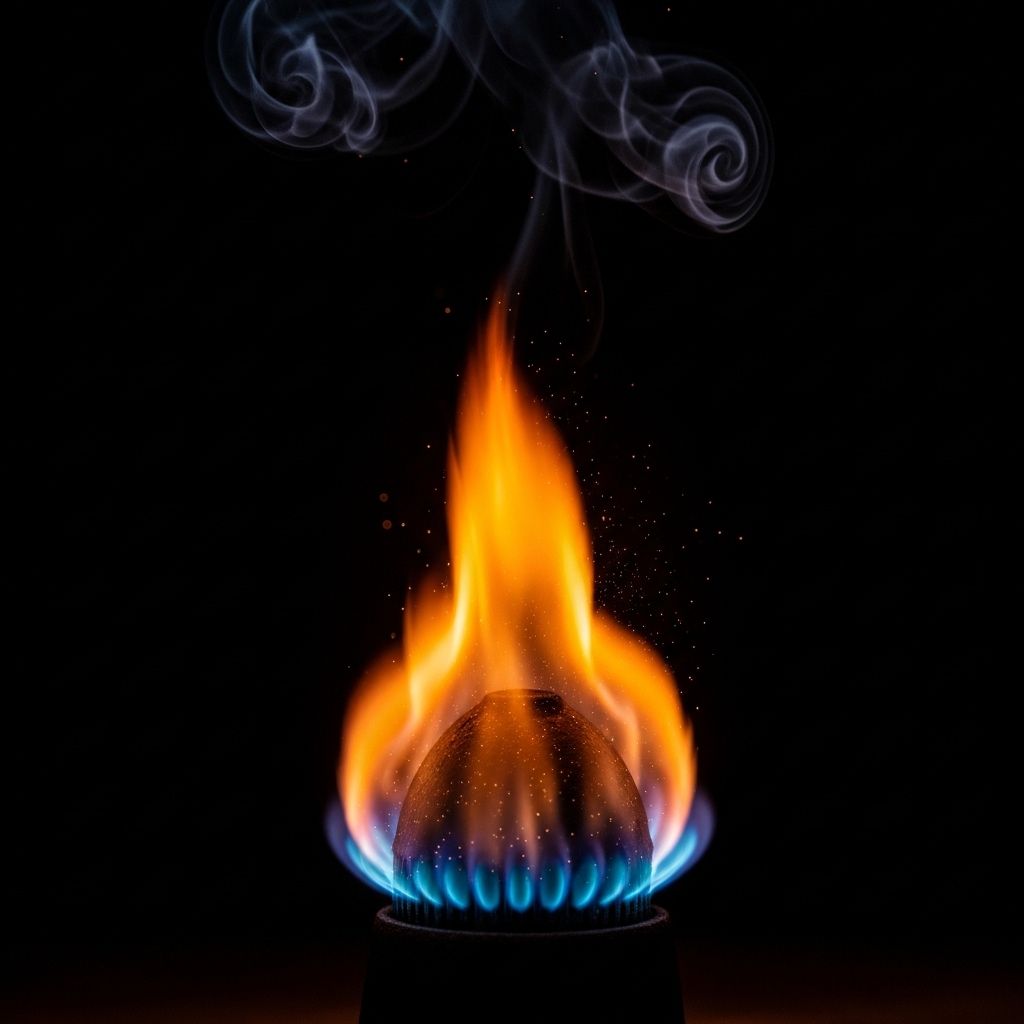
Dramatic close-up of orange and blue natural gas flame burning with visible incandescent soot particles and smoke wisps against a pure black background in a laboratory combustion experiment
5
In-Depth Articles
400+
Years of History Covered
3
Scientific Disciplines
10
Quiz Questions

Latest Articles

View all articles →

About This Review

Furnace-Cleaning is an independent scientific and historical journal published from Amsterdam, Netherlands. We explore the intersection of thermodynamics, combustion chemistry, and engineering history — from the molecular structure of soot particles to the architectural legacy of Dutch tile stoves.

Our editorial team combines expertise in physical chemistry, thermal engineering, and the history of technology to produce rigorous, accessible articles for scientists, engineers, historians, and curious readers.

Learn about us →

Scientific Rigour

Every article is grounded in peer-reviewed research and primary historical sources, with full citations and transparent methodology.

Historical Depth

We trace engineering ideas across centuries, connecting ancient Roman hypocausts to 21st-century heat pump technology.

Independent Editorial

Furnace-Cleaning maintains full editorial independence. Nothing on this site is for sale; we publish purely for the advancement of knowledge.