About Furnace-Cleaning
An independent scientific and historical journal dedicated to exploring the physical chemistry of combustion, the molecular structure of carbon residues, and the engineering history of European heating systems — published from Amsterdam since 2022.
Our Mission
Furnace-Cleaning was founded on a straightforward conviction: that the science of combustion and the history of heating technology are subjects of genuine intellectual depth, deserving serious long-form treatment beyond the scope of a technical manual or a Wikipedia entry.
Every article we publish is thoroughly researched, drawing on peer-reviewed literature in physical chemistry, thermal engineering, and the history of science. We cite our sources, explain our reasoning, and present complex ideas in language accessible to educated non-specialists while maintaining the rigour that our scientific readers expect.
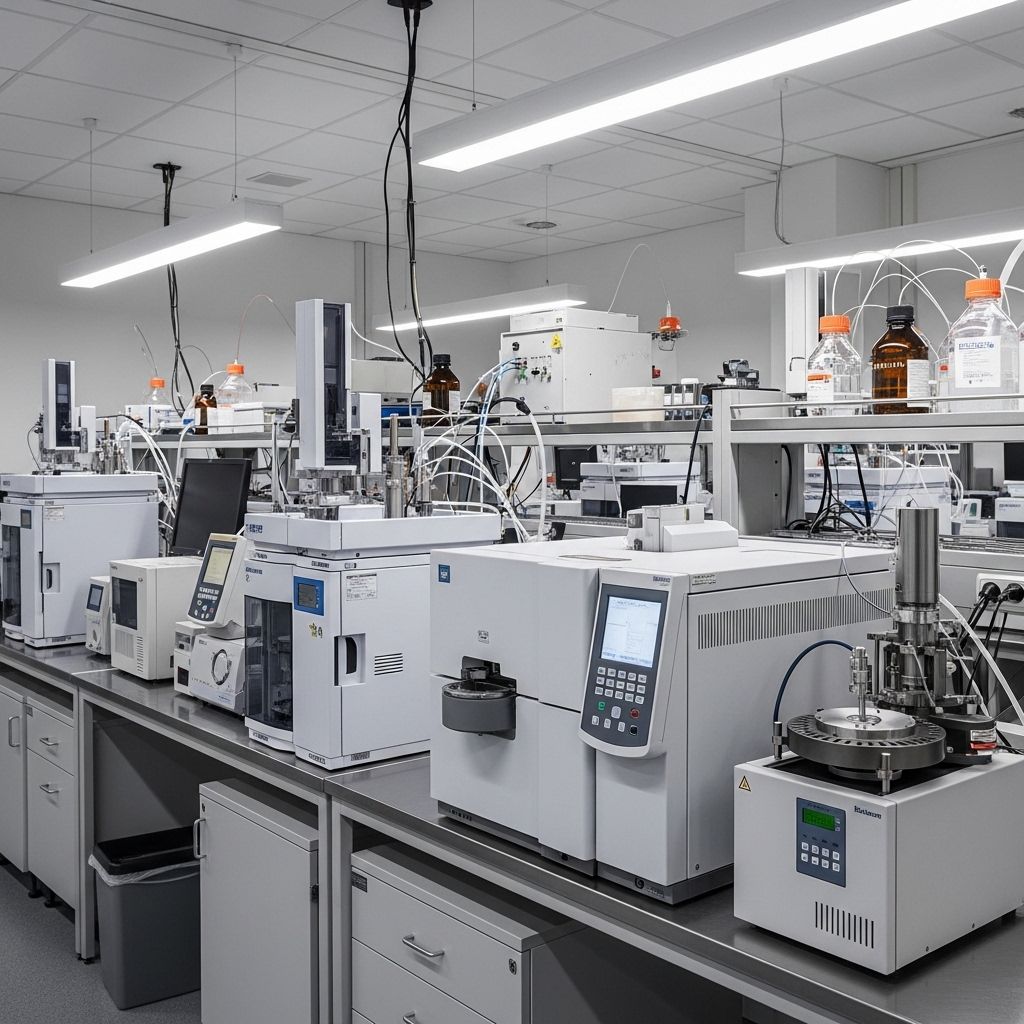
The journal covers three interconnected domains: the thermodynamics of combustion (how fuels release energy and why real processes always fall short of theoretical efficiency); the chemistry of carbon deposits (how soot forms, what its molecular structure reveals, and how it differs from industrially produced carbon black); and the engineering history of European heating — a story that spans Roman underfloor hypocausts, 17th-century Dutch tile stoves, 19th-century cast-iron ranges, and today's heat-pump systems.
Nothing on this site is for sale. We carry no affiliate links, no product endorsements, and no sponsored editorial content. Where advertising is displayed, it is clearly marked and governed by the standards set out in our editorial advertising policy.
"The history of heating is the history of civilisation's relationship with fire — and with the carbon residues that fire inevitably leaves behind."
— Editorial Statement, Furnace-Cleaning, Vol. 1Editorial Principles
Accuracy & Citations
All factual claims are supported by references to primary literature, historical records, or authoritative secondary sources. We publish corrections promptly when errors are identified.
Editorial Independence
Our coverage is determined solely by scientific and historical interest, not by the preferences of advertisers, sponsors, or any commercial third party.
Accessible Writing
Complex thermodynamic concepts and chemical mechanisms are explained clearly, without sacrificing precision — our audience ranges from engineers to history enthusiasts.
Long-Form Depth
We do not publish brief news summaries. Every article is a substantive investigation, typically exceeding 2,000 words, with contextual background and analytical commentary.
GDPR Compliance
As a Netherlands-based publication serving European readers, we adhere strictly to GDPR data protection requirements and maintain transparent cookie and privacy policies.
Open Corrections
We welcome corrections, additional primary sources, and scholarly commentary from readers. Scientific discourse requires good-faith engagement with alternative evidence.
Editorial Team
Our small team of researchers, writers, and editors brings together expertise across physical chemistry, mechanical engineering, and the history of science.
Dr. Henrik van der Meer
Editor-in-Chief
Physical chemist and thermal engineer with 18 years' research experience. Formerly with the University of Amsterdam faculty of Chemistry. Specialist in combustion kinetics and soot formation mechanisms.
Ingrid Steenhoven
Senior Research Editor
Historian of technology focusing on Dutch and Northern European architectural and engineering history from the 16th to 20th centuries. Author of two monographs on domestic heating in the Dutch Golden Age.
Marc Kohlberg
Science Correspondent
Mechanical engineer with a focus on industrial combustion systems and EU energy regulation. Contributor to several technical standards bodies on flue gas emission measurement methodology.
Research Methodology
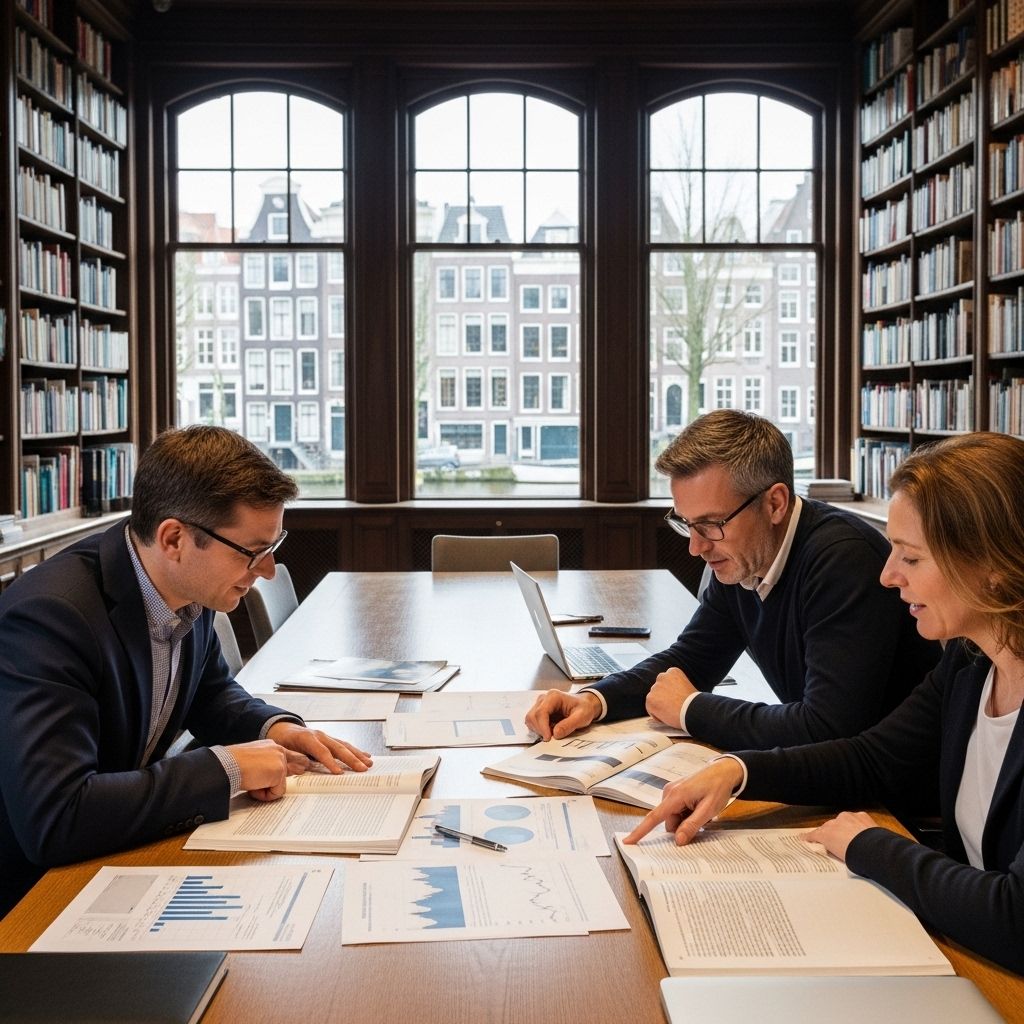
Each article begins with a systematic review of the peer-reviewed literature. For chemistry and engineering topics, we consult databases including Web of Science, Scopus, and the NIST Chemistry WebBook. Historical articles draw on primary archival sources from the Amsterdam City Archives, the Rijksmuseum Research Library, and the Delft University of Technology Special Collections.
Draft articles are reviewed by at least one subject-matter expert before publication. All quantitative data is cross-referenced across multiple sources; where figures differ between sources, we present the range and explain the discrepancy.
We do not publish original empirical research — we are a review journal that synthesises, contextualises, and communicates existing scientific and historical knowledge to a broad readership.